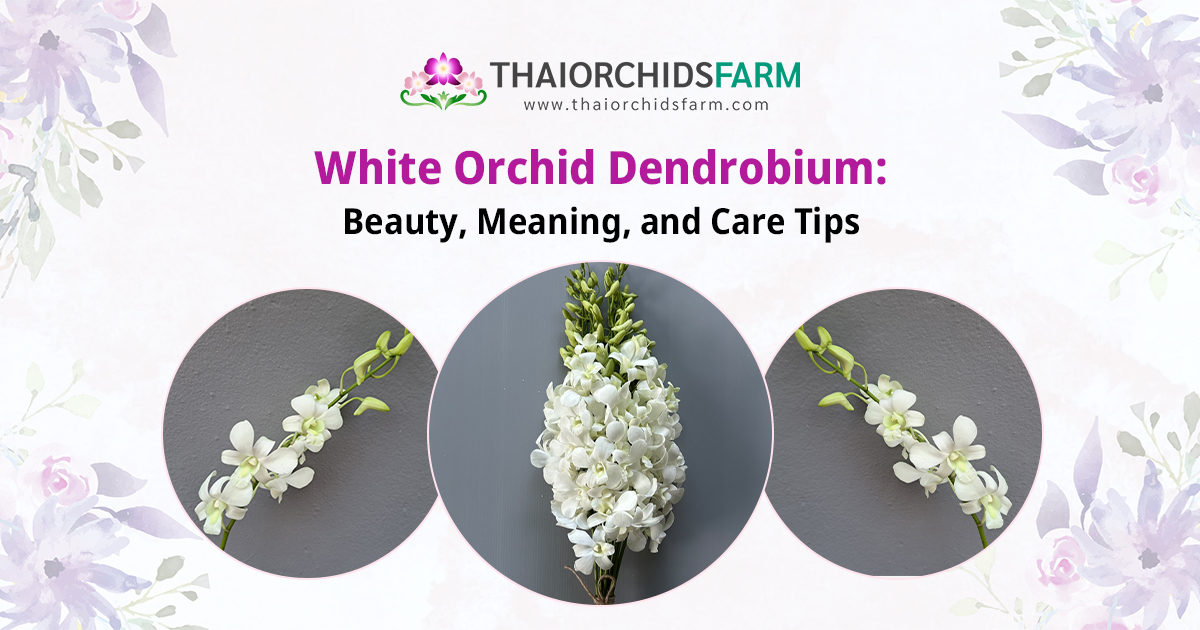
You’ve probably seen them before without really thinking much about it.
At a wedding. In a hotel lobby. Maybe even in someone’s living room, just sitting quietly in a vase.
The white dendrobium orchids maintain a constant presence yet they require no public attention. Your understanding of their impact will increase when you realize they enhanced the entire area.
That’s usually how it starts.
Not all orchids feel the same
If you’ve ever looked into orchids even a little, you’ll know there are quite a few types. Some look almost too perfect, like they don’t belong in a real space. Others feel a bit too delicate.
A white orchid dendrobium doesn’t really fall into either category.
It’s structured, but not stiff. The flowers line up along the stem in a way that feels organised, but not artificial. And the white colour—well, that just makes everything calmer somehow.
It’s one of those plants that doesn’t try to stand out… but still does.
Why people keep choosing them (even without knowing why)
This is something I’ve noticed—people often pick white dendrobium orchids without overthinking it.
They’ll be looking at different flowers, comparing colours, shapes… and then they just go with these. Almost instinctively.
Probably because they’re easy. Not in a lazy way—but in a “this will work anywhere” kind of way.
You can select any items without needing to create matching pairs. You can rest assured about their appearance because their check for correct appearance will reveal their actual look.
They exist in a state of rest which creates an equilibrium between all things present in their vicinity.
The "meaning" part... but honestly, it depends
The white dendrobium orchid connects to purity and simplicity and new beginnings according to the information you will find when you research it.
People frequently choose to have weddings for this reason.
People purchase flowers without considering their actual meanings because most people do this. People choose their flowers based on their instinctive preferences.
And these feel… calm. That’s probably the simplest way to put it.
Keeping one at home isn’t as complicated as people make it sound
Orchids have this reputation. People think they’re difficult, high maintenance, and easy to mess up.
And sure, some types are.
But white dendrobium orchids? They’re not as dramatic as people assume. They just don’t like being fussed over too much.
Light — don’t overthink it
They like light, but not the harsh kind. A spot near a window is usually fine.
If it’s getting direct sun all day, that’s probably too much. If it’s in a dark corner, that’s not great either. Somewhere in between works.
That’s really it.
Watering — this is where things usually go wrong
Most people kill orchids by being too helpful.
Watering too often, checking too much, trying to “take care” of it constantly.
These plants don’t like that.
Please allow the material to dry for a brief period. The soil should be wet at all times which you should not worry about. The situation becomes better when the soil is not wet. The roots of the plant require oxygen to grow.
You should wait until the next day if you have any doubts about making a decision. The safer option between the two alternatives becomes this particular choice.
Keep the temperature of the environment at its standard level. The system should operate within its normal parameters without any abrupt system alterations.
The plant will thrive in the room if you feel comfortable there. The statement provides a reasonable method to evaluate the situation.
People who buy cut white dendrobium orchids need to handle them differently.
This task now becomes more manageable
The initial step involves cutting the stems which you should do before placing them in water. The water needs replacement every two days according to your schedule. Doing it at times brings benefits even though I will not remember the proper schedule.
The products must not be placed in direct sunlight or near sources of heating. The products will remain usable for an extended period because you handle them with care.
People observe one particular quality about these items which they find surprising because the items last beyond their expected lifespan. This feature contributes to their frequent usage.
The process of selecting them becomes complex for reasons that require more explanation than the initial appearance of simplicity.
All white dendrobium orchids create an identical appearance at first sight. The two groups show distinct differences from each other.
Some products possess higher freshness levels than their counterparts which show signs of deterioration although this process moves at a slow pace.
The stems should provide a solid texture to touch. The petals should look clean, not slightly dull or marked.
People should trust their instincts because what they feel about a situation usually reflects its actual nature.
The small detail produces a later impact that needs to be examined at the present time.
Where they actually fit
This is probably the easiest part
You don’t really have to “design around” a white orchid dendrobium. It works in most spaces without needing adjustments.
Living room, dining table, event setup, even a workspace—it doesn’t feel out of place.
And because it’s white, it doesn’t fight for attention. It just… sits there and does its thing.
Something you only notice after a few days
At first, it’s just a new addition. You notice it every time you walk past.
Then slowly, you stop paying attention to it directly. It becomes part of the space.
And that’s usually when you realise it was a good choice.
Not because it stands out—but because it doesn’t need to anymore.
Final thought
The white dendro orchid isn’t trying to impress you.
It’s not bold, not dramatic, not something that immediately grabs attention and holds it.
But give it a little time, and it changes how the space feels. Quietly. Without making a big deal about it.
And honestly, that’s probably why people keep coming back to it.
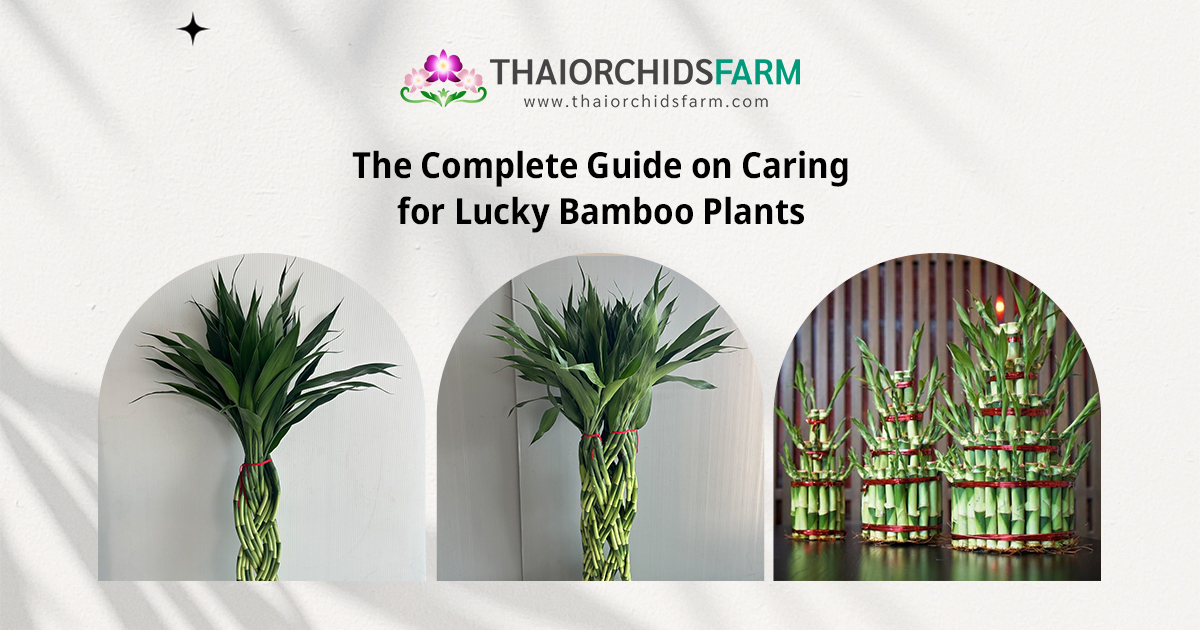
Read The Complete Guide on Caring for Lucky Bamboo Plants to learn proper watering, sunlight needs, container selection, and long-term care tips. This detailed guide helps you maintain healthy Lucky Bamboo plants at home or office, brought to you by Thai Orchids Farm.
The Complete Guide on Caring for Lucky Bamboo Plants
People worldwide seek lucky bamboo plants in their homes, companies, and spiritual locations. This stunning plant has sparkling green stalks, a relaxing presence, and is a sign of optimism wherever it grows. More plant lovers are finding this tough species, increasing the need for decent plants and trusted suppliers. Follow our maintenance instructions to keep your lucky bamboo looking fantastic for years.Lucky Bamboo Nature StudySilky green branches, luxuriant foliage, and sculpted arrangements make it flourish inside. The plant thrives in warm, humid areas; therefore, tropical gardeners in Thailand grow the best types. A reliable lucky bamboo supplier develops each plant properly, preserving its vivid green color and structured shape during transport.Why Lucky Bamboo Is Globally Popular?Lucky bamboo matters. Two stalks symbolize love, three happiness, five health, etc. Curled, braided, and tower-shaped decorations enhance it. Beyond symbolic, its easy care makes it ideal for beginners, busy professionals, and gloomy places. Lucky bamboo seems peaceful and loving. International buyers seeking a dependable lucky bamboo supplier for bulk or personal usage still value its elegance and cultural importance.Healthy Growth Needs LightLow light can hinder growth or reduce color. Provide lucky bamboo with overhead or diffused natural light in your desk. Plant rotation every several days gives braided or sculpted arrangements symmetry.Watering Lucky Bamboo ProperlySince lucky bamboo grows in water and soil, flexibility is desirable. Thoroughly bury plant roots. Since tap water chlorine and fluoride harm plants, use distilled or filtered water. Water should be changed every 7 to 10 days to prevent bacterial development. Container cleanliness keeps roots healthy and odor-free. Maintain moist but not wet soil for soil planted with bamboo. Overwatering can strangle roots, while underwatering can dry and curl plants. A lucky bamboo supplier alerts customers about moisture early on.Safely fertilizing Lucky BambooEven though lucky bamboo doesn't need a lot of food, it stays green if you feed it all the time. One month of very diluted liquid fertilizer is plenty. Stay away from strong fertilizers that might damage roots. Many skilled gardeners utilize organic boosters or water-based feeding to keep their plants from becoming stressed out by chemicals. Lucky bamboo doesn't require as much fertilizer.Maintaining the Right Temperature and HumidityWarm, humid circumstances suit lucky bamboo. Ideal temperatures are 18–30°C (65–85°F). Avoid air conditioners, heating vents, and cold winds drying the plant. Weekly leaf spraying is beneficial for dry indoor air. In nature, skilled bamboo growers work. A reliable lucky bamboo supplier grows plants in regulated settings for your house or company.Beauty Trimming and ShapingTo retain braided or spiral shapes, lucky bamboo must be trimmed. Trim long or uneven leaves using sanitized scissors to maintain form. Trimming promotes water plant stem strength and aeration. For symmetry and beauty, skilled agricultural workers hand-braid or sculpt elaborate patterns. Light owner maintenance will maintain the arrangement attractive after delivery. Good trimming promotes straight stems or attractive patterns.Lucky Bamboo Needs CareLucky bamboo, albeit crude, illustrates its necessities. Yellow leaves suggest drought or sunburn. Brown leaf tips indicate chemical, submerged, or dry air. Root rot and soft stems develop from stagnant water. Adjust the light, use filtered water, or trim damaged sections to help the plant recover. A lucky bamboo supplier guarantees that each plant leaves the farm healthy, reducing household maintenance.Quality Matters in Lucky BambooNot all lucky bamboo grows the same. Plants flourish with early, competent care. A good lucky bamboo supplier grows high-quality stalks using sustainable, controlled, and hydrated methods. Form braided bamboo early for symmetry. Successful farmers grow longer, more colorful, and more adaptive bamboo. Essential sources prioritize freshness, packaging, and handling.Proper Long-Distance Shipping PackagingTo ship lucky bamboo securely, it requires the right packaging. To minimize shipment damage, good suppliers cushion roots and utilize moisture-retaining materials. Hydrated gels, breathable wraps, and strengthened containers preserve food. These technologies assure plant arrival unharmed regardless of distance.Benefits of Growing Lucky Bamboo at Home or WorkMany keep lucky bamboo for feng shui, but it has additional uses. The quiet, effortless maintenance of the plant is wonderful. Likes low light in workplaces, apartments, and small spaces. Plants enhance modern design, creativity, and stress relief. Lucky bamboo grows readily and is a great gift for celebrations, new beginnings, and daily motivation.ConclusionsLucky bamboo is good for all plant lovers. If you give this plant enough water, light, and care, it might live for many years and provide beauty and significance to your space. A good lucky bamboo supplier will make sure that the plants are healthy and full of life. Because it is easy to care for, lucky bamboo stands for growth, serenity, and good luck.
How to Import Orchids from Thailand and Save on Taxes: A Guide for New Importer
If you're a new importer of Thai orchids, there are strategies to help you reduce costs and streamline the process. Thai orchids are highly valued in the floral industry for their beauty and resilience, and proper knowledge of trade practices can provide significant financial benefits.
How to Successfully Import Orchids from Thailand: A Step-by-Step Guide
Thinking about importing beautiful orchids from Thailand? Here’s a simple guide to help you navigate the process smoothly and ensure your orchids arrive fresh and ready to wow your customers!Find a Reliable Orchid SupplierStart by researching top orchid suppliers in Thailand, like www.orchidwire.com, www.thaiorchidsfarm.com or www.leeorchid.com. Check their credentials, industry experience, and reviews to ensure quality.1. Understand Import RegulationsBefore you place an order, make sure you understand your country’s import regulations. This includes obtaining permits and meeting phytosanitary requirements to ensure the flowers are pest-free. Contact your country’s agricultural department or customs authority to get detailed information on the import requirements for orchid flowers. 2. Prepare Export DocumentsCheck out the Thailand Department of Export Promotion, Foreign Trade, and Agriculture websites to get the right export documents. Make sure everything is in order before proceeding.-Thailand Department of Export Promotion: https://www.ditp.go.th/en/home-Thailand Department of Foreign Trade: https://www.dft.go.th/en-us/-Thailand Department of Agricutural: https://www.doa.go.th/th/3. Place Your OrderNegotiate the terms, including pricing and delivery timelines, with your supplier. Clarify whether shipping costs are included and arrange a secure payment method.4. Handle Shipping and LogisticsWork with your supplier to select air freight, which ensures orchids arrive fresh. Hiring a freight forwarder specialized in handling perishable goods can simplify the process.5. Customs Clearance and DeliveryEnsure all documentation (phytosanitary certificates, invoices, etc.) is ready for customs clearance. Once the shipment passes inspection, arrange for final delivery to your location.7. Post-Delivery CareUnpack and inspect the orchids upon arrival. Store them properly to maintain their freshness (best temperature for keeping orchids is 15-20 c), and provide feedback to your supplier to strengthen your relationship for future orders.